
Tarangire National Park
Trip Overview
Tarangire National Park is one of Tanzania’s hidden gems, offering a quieter and more intimate safari experience compared to its more famous neighbors. Known for its ancient baobab trees, large elephant herds, and seasonal swamps, Tarangire provides a unique and rich wildlife spectacle, especially during the dry season.
Located in northern Tanzania and covering approximately 2,850 square kilometers, the park forms part of the larger Tarangire ecosystem, which supports diverse animal migrations and habitats.
Location & Size
Country: Tanzania (northern region)
Size: About 2,850 square kilometers (1,100 square miles)
Ecosystem: Part of the Tarangire-Manyara ecosystem, linking Lake Manyara, the Maasai Steppe, and surrounding wildlife corridors.
Activities
Game Drives (morning, afternoon, and full-day safaris)
Walking Safaris (with armed rangers)
Birding Safaris (for enthusiasts and photographers)
Cultural Visits (nearby Maasai and Barabaig communities)
Night Game Drives (in select private concessions)
Tarangire National Park – Land of Giants and Baobabs
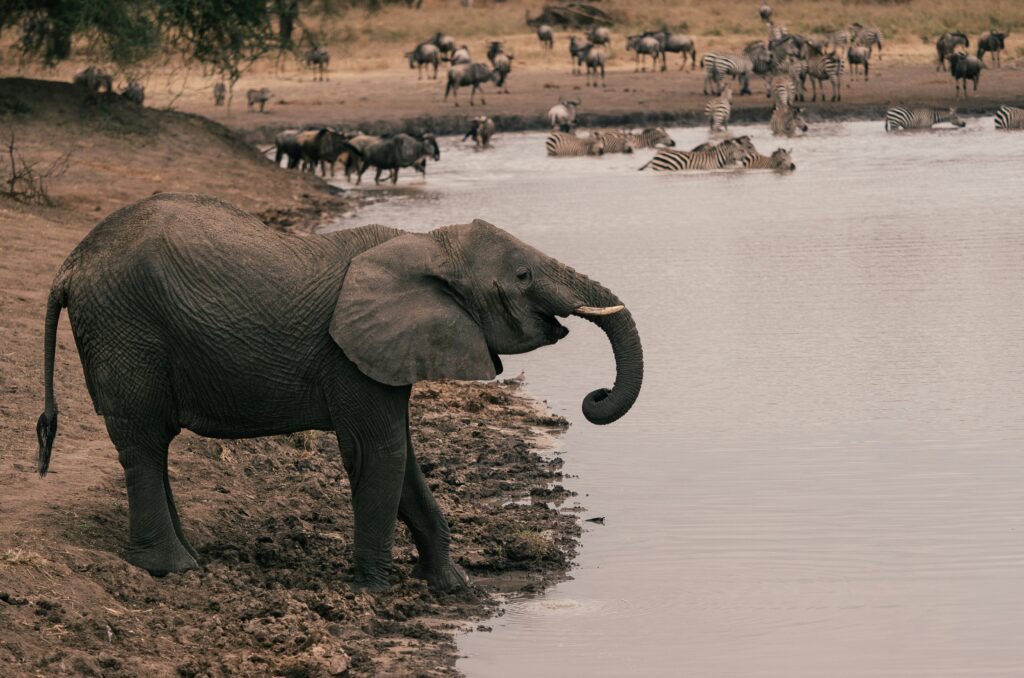
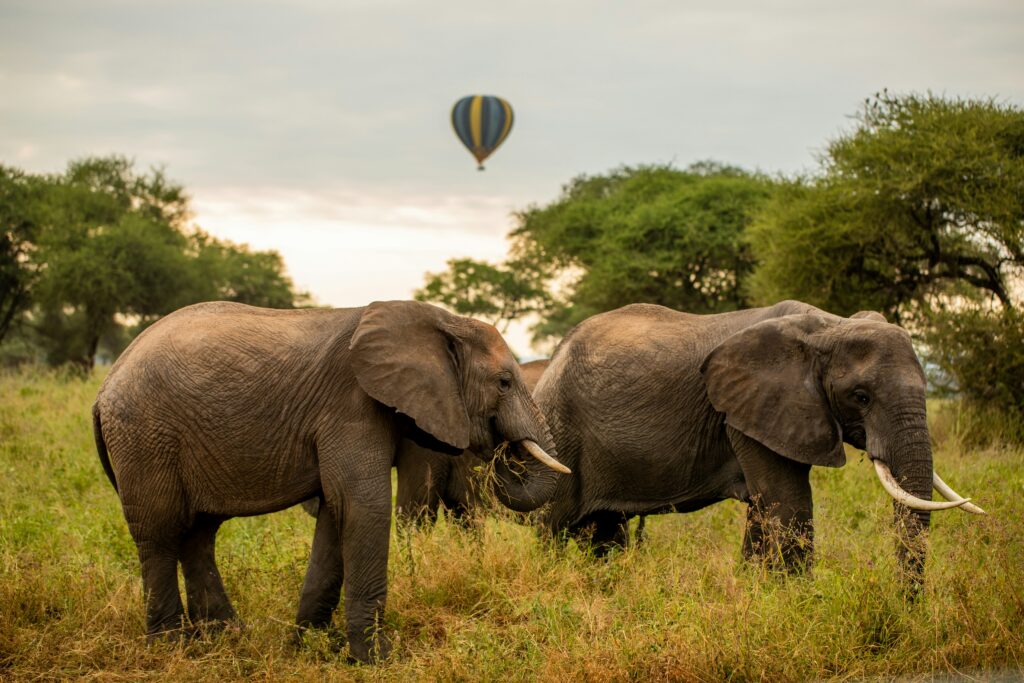
Tarangire is most famous for its large elephant population—the highest density in northern Tanzania—often seen gathering in herds at riverbanks, mud wallows, and beneath towering baobabs. These iconic trees dominate the park’s landscape, giving it a unique, almost primeval appearance.
The park’s name comes from the Tarangire River, a vital water source that sustains wildlife during the dry season. From June to October, the river draws thousands of animals including wildebeest, zebras, hartebeest, impalas, elands, and oryx, making it a hotspot for predators like lions, leopards, and cheetahs.
Tarangire is also a birdwatcher’s paradise, with over 500 species recorded, including endemic and migratory birds. The park supports rare species like the fringe-eared oryx, lesser kudu, and African wild dog.
Although it’s less visited than Serengeti or Ngorongoro, Tarangire’s quiet trails, varied habitats—ranging from dry savannah and swamps to riverine forests—and exclusivity make it a favorite among safari connoisseurs and photographers.
Tarangire National Park – The Elephant Kingdom of Tanzania
Tarangire National Park is one of Tanzania’s most underrated treasures, known for its vast elephant herds, ancient baobab trees, and stunning seasonal migrations. During the dry season, thousands of animals converge along the life-giving Tarangire River, making the park an exceptional destination for wildlife viewing.
Covering about 2,850 square kilometers, Tarangire forms part of a greater migratory ecosystem that stretches beyond park boundaries into the Maasai Steppe and Lake Manyara region. Although smaller than Serengeti, it offers a more intimate safari experience with exceptional biodiversity and fewer crowds
Wildlife Highlights
Mammals:
Tarangire is home to over 55 species of large mammals, with one of the largest elephant populations in northern Tanzania.
Elephant Kingdom
Massive herds of up to 300 elephants
Calves seen frequently, especially near the Tarangire River
Big Cats and Predators
Lions – Commonly found in riverine areas and open plains
Leopards – Often seen in wooded regions and baobab trees
Cheetahs – Prefer open grasslands; more elusive but present
Hyenas and Jackals – Regularly spotted scavenging or hunting small prey
Other Notable Mammals:
Fringe-eared oryx and lesser kudu – Rare antelope species
Giraffes, zebras, wildebeest, elands, warthogs – All thrive here seasonally
African wild dogs – Occasionally pass through in nomadic packs
Birdlife
Tarangire is a birdwatcher’s haven, with more than 500 recorded species, especially active near the swamps and river.
Large and Iconic Birds:
Ostrich – Common on open plains
Kori Bustard – Often seen in short grassland
Ground Hornbills – Known for their deep booming calls
Colorful Species:
Lilac-breasted roller – A photographer’s favorite
Yellow-collared lovebird – Endemic to Tarangire
Superb starling, bee-eaters, sunbirds – Seen throughout the park
Birds of Prey:
Martial eagle, tawny eagle, bateleur – Regularly soaring above or perched in trees
African fish eagle – Spotted near swamps and riverbanks
Water and Seasonal Birds:
Flamingos – Occasionally found in seasonal swamps
Herons, storks, egrets, pelicans – Seen during and after the rains