
SERENGETI NATIONAL PARK
Trip Overview
Serengeti National Park is one of Africa’s most celebrated wildlife destinations, renowned for its vast open plains, dramatic skies, and incredible density of wildlife.
Located in northern Tanzania and covering approximately 14,750 square kilometers, the park is part of the larger Serengeti ecosystem, which also includes the Ngorongoro Conservation Area and Kenya’s Maasai Mara.
Location & Size
Country: Tanzania (northern region)
Size: About 14,750 square kilometers (5,700 square miles)
Ecosystem: Part of the greater Serengeti-Mara ecosystem, which stretches into Kenya (Maasai Mara) and Ngorongoro Conservation Area in Tanzania.
Activities
Game Drives (morning, afternoon, and full-day safaris)
Hot Air Balloon Safaris (sunrise flights over the plains)
Photographic Safaris (custom vehicles and expert guides)
Walking Safaris (in designated zones with armed rangers)
Cultural Visits (Maasai village experiences on the park periphery)
Serengeti National Park Timeless Wilderness of Africa
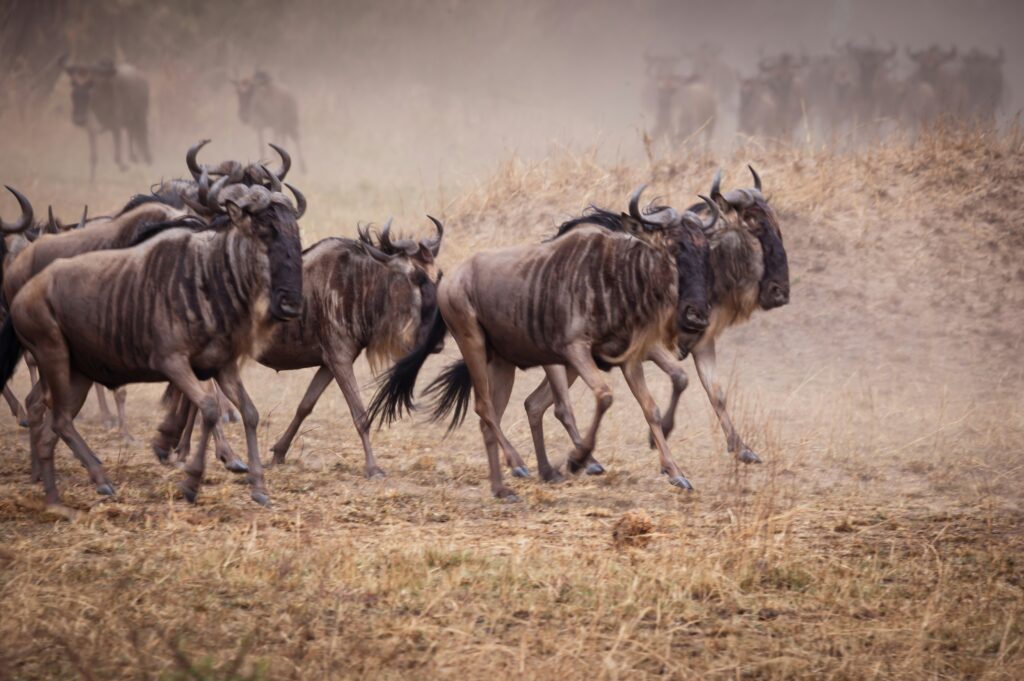
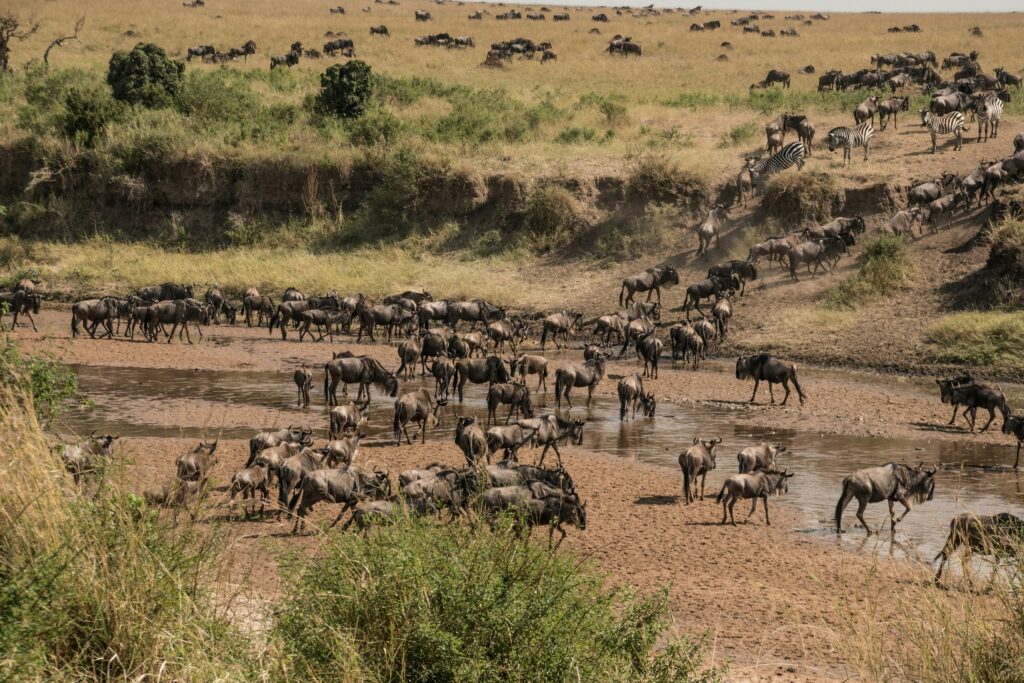
The Serengeti is best known for the Great Wildebeest Migration, an awe-inspiring natural spectacle where over two million wildebeest, zebra, and gazelle journey in a continuous cycle across the plains in search of fresh grazing, with dramatic river crossings and predator encounters along the way.
Beyond the migration, Serengeti offers year-round wildlife viewing. The park is home to the “Big Five” (lion, leopard, elephant, buffalo, and rhino), as well as cheetahs, hyenas, giraffes, hippos, crocodiles, and hundreds of bird species. It’s a prime location for seeing large prides of lions and is one of the few places where you can witness a predator-prey interaction on open terrain.
The landscape ranges from endless golden grasslands and acacia-dotted savannahs to rocky outcrops known as kopjes, which serve as resting places for big cats and scenic viewpoints. The park’s remote corners—like the Western Corridor and Northern Serengeti—offer more exclusive experiences, especially during migration season.
Designated as a UNESCO World Heritage Site, Serengeti is not just a safari destination but a symbol of wild Africa. Its name comes from the Maasai word “Siringet,” meaning “endless plains,” capturing the feeling of unbounded space and freedom. Whether you’re visiting for photography, game drives, or simply to witness nature at its most raw and spectacular, Serengeti promises an unforgettable journey into the heart of the wild.
The Great Migration Nature’s Grandest Journey
The Great Migration is the most iconic wildlife event on the African continent, and it unfolds across the vast Serengeti plains in Tanzania and the Maasai Mara in Kenya. It involves the annual movement of over 1.5 million wildebeest, accompanied by hundreds of thousands of zebras and gazelles, in a continuous, circular journey driven by rainfall patterns and the search for fresh grazing.
This extraordinary spectacle is not just a movement—it’s a cycle of life, featuring dramatic river crossings, the birth of new life, and intense predator-prey interactions. The migration covers approximately 3,000 kilometers and is visible year-round in different parts of the Serengeti ecosystem.
Wildlife Highlights
Mammals:
Serengeti National Park boasts over 70 species of mammals, offering one of the most diverse and concentrated wildlife populations on Earth.
The Big Five:
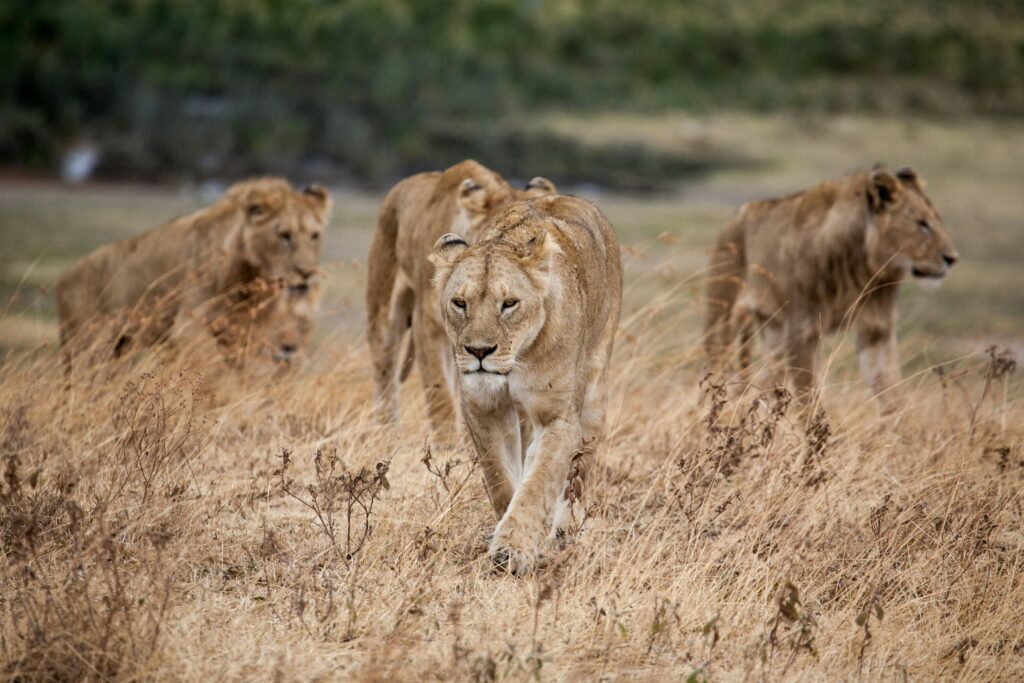
- Lion – Large prides dominate the plains; Serengeti has one of the highest lion densities in Africa.
- Leopard – Often found resting in acacia trees, especially near the Seronera River.
- Elephant – Frequently seen in family herds, particularly in woodlands and river valleys.
- Buffalo – Numerous across all regions, often found in large herds near water sources.
- Rhino – Rare and mostly found in the Moru Kopjes area; Serengeti plays a key role in rhino conservation.
Other Notable Mammals:
Cheetah – Serengeti’s open plains are ideal for these fast hunters; best spotted in the eastern and southern regions.
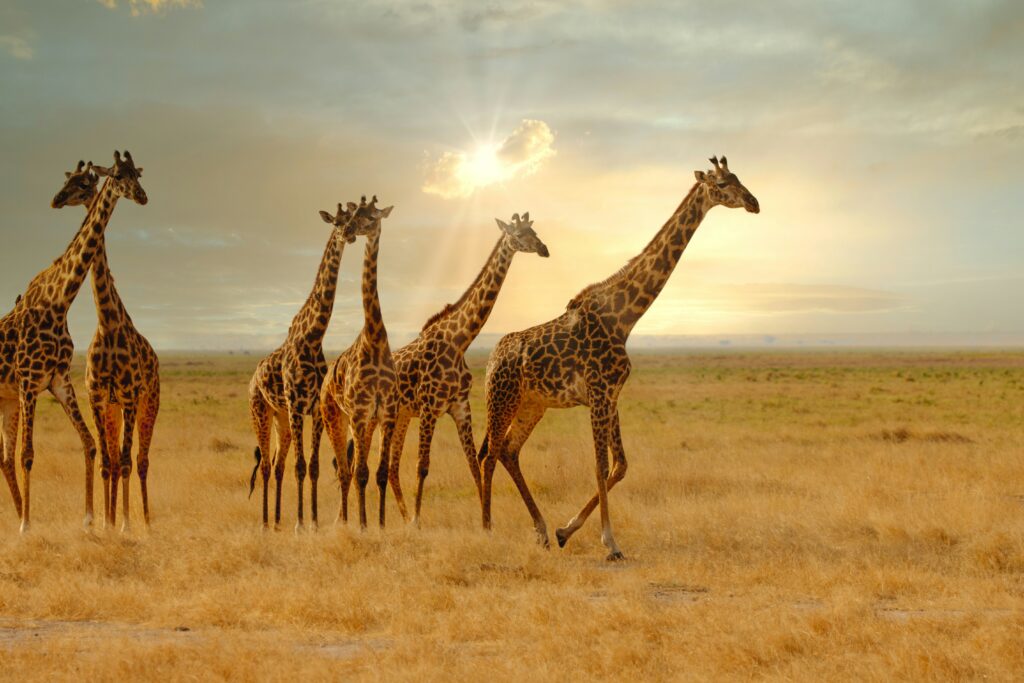
Giraffe – Towering and graceful, commonly seen browsing acacia trees.
Zebra – Travel in large herds, often leading the migration alongside wildebeest.
Wildebeest – The park’s most iconic residents, with over 1.5 million participating in the Great Migration.
Hippos – Found wallowing in pools and rivers, especially in the Seronera and Grumeti areas.
Crocodiles – Lurking in rivers, especially active during migration river crossings.
Hyenas – Highly social and intelligent scavengers, with large clans active mostly at night but often seen in daylight.
Eland, Topi, Thomson’s and Grant’s Gazelles, Waterbuck, and Impalas – Common antelope species adding to the biodiversity.
Bat-eared Foxes, Jackals, Servals, and Genets – Smaller carnivores and nocturnal mammals that thrive across various habitats.
Birdlife
With more than 500 species recorded, Serengeti is a paradise for both novice and expert bird watchers. Its mix of savannah, woodland, riverine, and swamp habitats allows for exceptional bird diversity.
Large and Iconic Birds:
Ostrich – The world’s largest bird, commonly seen striding across the plains.
Secretary Bird – Known for its dramatic snake-stomping hunting style.
Kori Bustard – The heaviest flying bird, often spotted walking solo in the grasslands.
Colorful Species:
- Lilac-breasted Roller – A favorite for photographers with its vibrant plumage.
- Superb Starling, Fischer’s Lovebird, and Yellow-collared Lovebird – Bright residents of woodland and bushland zones.
Birds of Prey:
- Martial Eagle, Bateleur, Tawny Eagle, and Augur Buzzard – Regular sightings in open skies and atop acacia trees.
- Vultures – Lappet-faced, White-backed, and Rüppell’s Griffon vultures gather at carcasses, playing a key role in the ecosystem.
Water and Seasonal Birds:
Flamingos – Sometimes seen near seasonal alkaline lakes.
Herons, Storks, Kingfishers, and Bee-eaters – Frequent in riverine areas and wetlands.
Migratory Species – From Europe and Asia, such as the European Roller, Eurasian Hobby, and White Stork, especially during November to April.