
Ngorongoro Crater
Trip Overview
Ngorongoro Crater is one of the most extraordinary natural wonders in Africa—a massive, unbroken volcanic caldera that acts as a natural enclosure for a remarkable variety of wildlife.
Located in northern Tanzania within the larger Ngorongoro Conservation Area (NCA), the crater offers an unmatched safari experience, combining rich wildlife viewing with dramatic landscapes and deep cultural heritage.
The Crater’s unique topography supports nearly all of East Africa’s iconic animals in one compact location, making it one of the easiest and most rewarding places to spot the Big Five.
Location & Size
Country: Tanzania (northern region)
Size: Crater floor: approx. 260 square kilometers (100 square miles);
Entire Ngorongoro Conservation Area: approx. 8,292 square kilometers (3,200 square miles)Ecosystem: Part of the greater Serengeti ecosystem, the NCA includes highland forests, open plains, archaeological sites, and semi-nomadic Maasai communities.
Activities
Crater Game Drives (half or full-day)
Cultural Visits (Maasai bomas and cultural centers)
Olduvai Gorge Tours (archaeological site and museum)
Walking Safaris (on the Crater rim and in nearby Empakaai and Olmoti craters with armed rangers)
Bird Watching (around Lake Magadi and Lerai Forest)
Ngorongoro Crater – Africa’s Lost Eden
Often referred to as “Africa’s Garden of Eden,” the Ngorongoro Crater is the world’s largest intact volcanic caldera and home to a staggering concentration of wildlife. Approximately 25,000 large animals inhabit the Crater floor year-round, thanks to its abundant water, fertile soils, and lush grasslands.
The Crater offers a unique opportunity to see the Big Five lion, elephant, buffalo, leopard, and the critically endangered black rhino all within the span of a single game drive.
It’s also one of the best places in East Africa to witness predator-prey interactions in an open setting, particularly in the dry season when animals congregate around the freshwater springs and Lake Magadi.
The Maasai people live on the Crater rim and surrounding highlands, herding livestock in harmony with wildlife—a model of human-wildlife coexistence unique to the Conservation Area model.
Declared a UNESCO World Heritage Site, the Ngorongoro Crater is a geological marvel, a biodiversity hotspot, and a window into the human past, with nearby Olduvai Gorge offering critical archaeological insights into early human evolution.
Ngorongoro Crater – Africa’s Natural Sanctuary
Ngorongoro Crater is one of the most unique and breathtaking wildlife destinations on Earth—often described as a natural enclosure where East Africa’s rich biodiversity thrives year-round. Formed over two million years ago from the collapse of a massive volcano, it is now the world’s largest intact volcanic caldera and a true wildlife haven.
Nestled in northern Tanzania, within the greater Ngorongoro Conservation Area, the Crater offers a microcosm of the African safari experience. From open grasslands and soda lakes to lush forests and swamps, this UNESCO World Heritage Site packs unmatched scenic and ecological diversity into just 260 square kilometers.
Wildlife Highlights
Mammals:
Ngorongoro Crater is home to over 30 species of large mammals, offering an unparalleled game-viewing experience in a condensed area.
The Big Five:
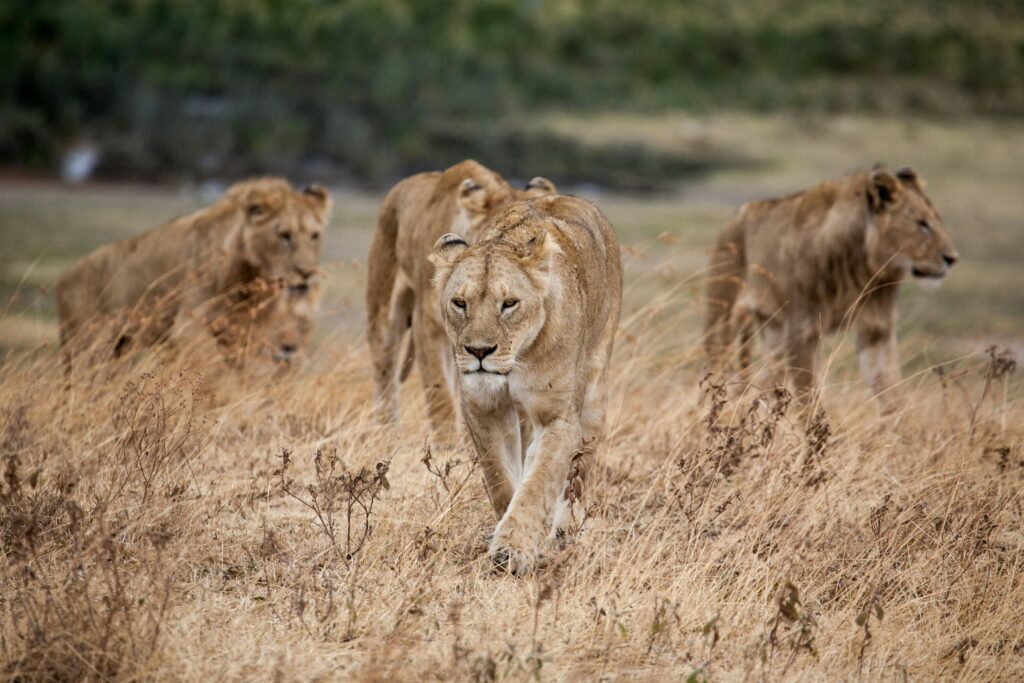
Lion – Numerous, with prides frequently seen on the open plains
Elephant – Mostly large bulls seen in the forested areas
Buffalo – Common and often found near swamps
Leopard – Elusive but occasionally spotted in the Lerai Forest
Rhino – Black rhino are protected and reliably seen on the Crater floor
Other Notable Mammals:
Spotted hyenas
Grant’s and Thomson’s gazelles
Elands and hartebeests
Hippos in swamps and pools
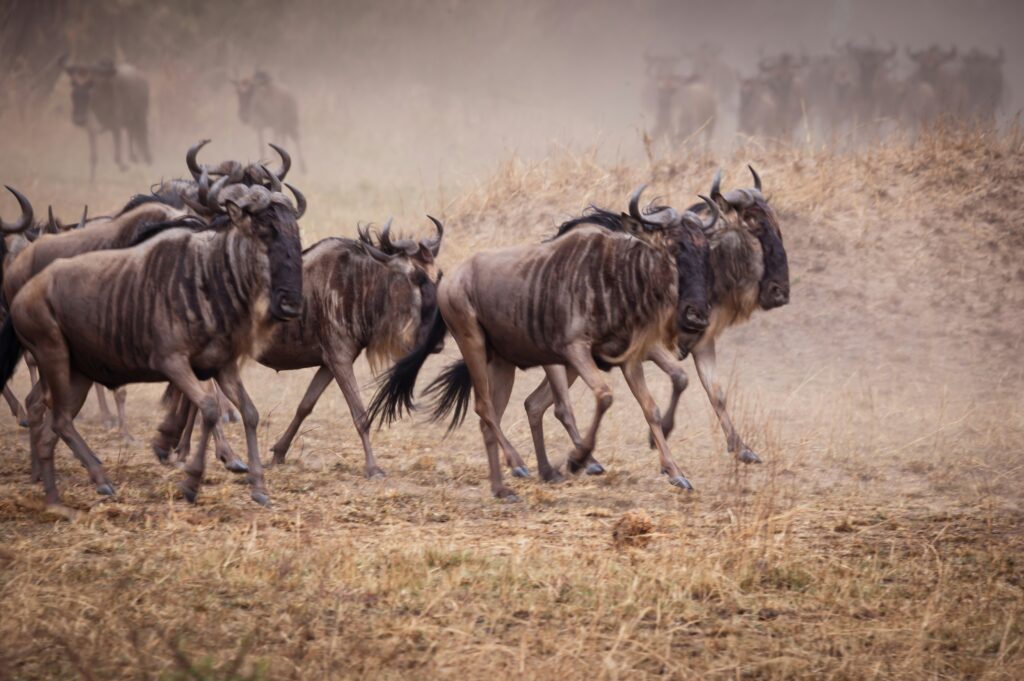
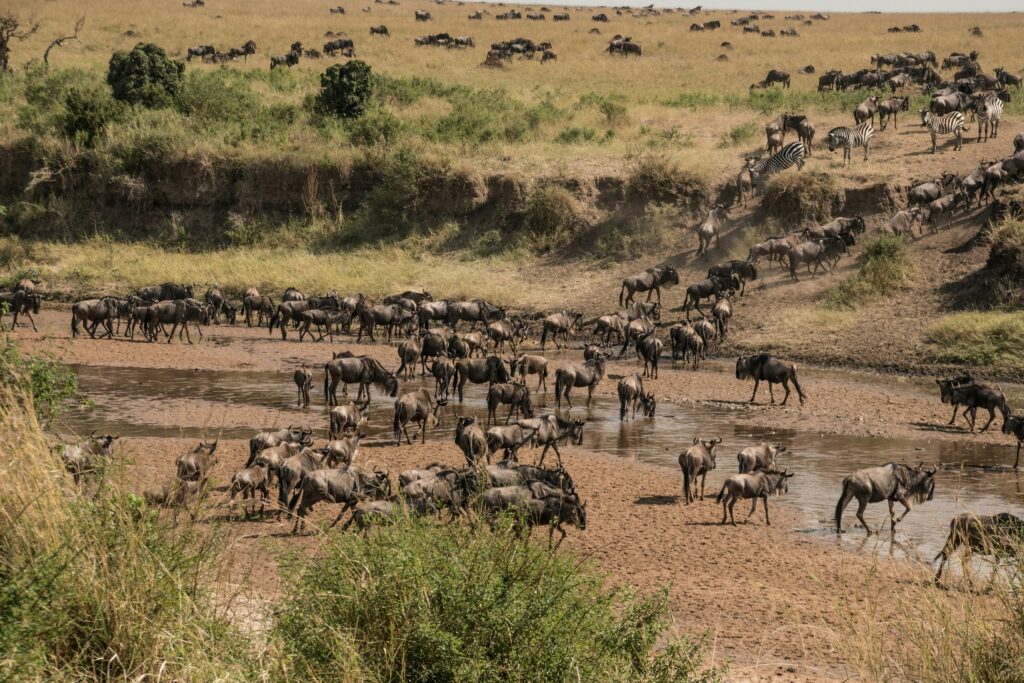
Warthogs, zebras, and wildebeest in large numbers
Birdlife
Ngorongoro Crater is an excellent birding destination, with over 500 species recorded, thanks to the varied habitats of lakes, forests, and grasslands.
Large and Iconic Birds:
Ostrich – Common on the Crater floor
Kori Bustard – Frequently seen walking in grasslands
Grey Crowned Crane – Elegant and abundant in marshy areas
Colorful Species:
Lilac-breasted roller
Superb starling
White-headed buffalo weaver
Birds of Prey:
Augur buzzard
Verreaux’s eagle
Martial eagle
Water and Seasonal Birds:
Lesser flamingos – Seen on Lake Magadi
Herons, storks, and ibises – Common in swamps
African spoonbill, Egyptian goose, and sacred ibis