
Lake Manyara National Park
Trip Overview
Lake Manyara National Park is a small but incredibly diverse gem of northern Tanzania’s safari circuit. Nestled at the base of the Great Rift Valley escarpment, the park is celebrated for its dramatic scenery, tree-climbing lions, rich birdlife, and unique combination of lake, forest, and savannah ecosystems—all packed into just 330 square kilometers.
The park offers an intimate safari experience and is often included as a starting point for trips to Ngorongoro Crater and Serengeti. Whether you’re looking for big game, unusual primates, or colorful birdlife, Lake Manyara delivers variety in abundance.
Location & Size
Country: Tanzania (northern region)
Size: Approx. 330 square kilometers (127 square miles), with nearly two-thirds covered by the lake
Ecosystem: Lies within the eastern branch of the Great Rift Valley; part of a migratory corridor that includes Tarangire and Ngorongoro
Activities
Game Drives (morning and afternoon safaris)
Canoeing (seasonal, when water levels are sufficient)
Bird Watching (throughout the year)
Cultural Visits (Mto wa Mbu village tours nearby)
Nature Walks (guided walks along the forest or escarpment)
Treetop Walkway (suspended canopy trail offering a bird’s-eye view of the forest)
Lake Manyara National Park – Where Diversity Meets Serenity
Lake Manyara National Park is best known for its tree-climbing lions, a rare behavior observed in only a few places in Africa. The park is also famous for its alkaline lake, seasonal pink flamingo gatherings, dense groundwater forests, and scenic Rift Valley backdrop.
The lush groundwater forest near the entrance teems with baboons, blue monkeys, and bushbucks, while the lake shores attract thousands of waterbirds and hippos. Open grasslands and acacia woodlands further in the park support elephants, giraffes, zebras, and buffaloes.
Despite its compact size, Manyara offers one of the highest densities of large mammals per square kilometer in East Africa. The park’s diversity of habitats makes it a must-visit for both first-time safari-goers and experienced wildlife enthusiasts.
Named a UNESCO Biosphere Reserve, Lake Manyara combines exceptional beauty, rich biodiversity, and cultural heritage, including the presence of local Maasai communities just beyond its borders.
Lake Manyara – Tanzania’s Hidden Ecological Treasure
Lake Manyara National Park may be smaller in size compared to the vast Serengeti, but it offers one of the most ecologically diverse wildlife experiences in all of East Africa. Nestled at the base of the Great Rift Valley escarpment, the park stretches from dense forests to open savannahs and finally to the alkaline waters of Lake Manyara itself.
What makes Lake Manyara exceptional is not a single dramatic spectacle, but rather a mosaic of habitats that attract an impressive range of wildlife in a compact area. It’s a place where monkeys swing through fig trees, lions lounge in acacia branches, and flamingos paint the lake pink in their thousands.
Unlike the migratory drama of the Serengeti, Lake Manyara offers reliable year-round wildlife viewing, making it an essential stop on the Northern Tanzania safari circuit
Wildlife Highlights
Mammals:
Lake Manyara supports more than 50 species of mammals, many of which are easily seen during a single game drive.
Tree-Climbing Lions – Unique to this region; often spotted resting on branches
Elephants – Abundant, especially near the forested areas
Hippos – Found in both the lake and hippo pools
Zebras, Wildebeest, Buffaloes – Common in the grasslands
Primates – Huge baboon troops, plus blue and vervet monkeys
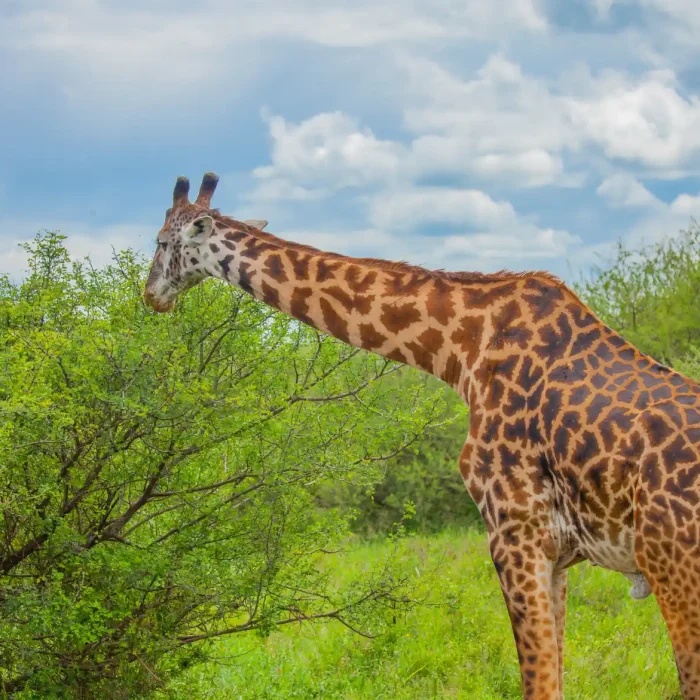
Giraffes, Warthogs, Impalas – Seen throughout the woodland and plains
Birdlife
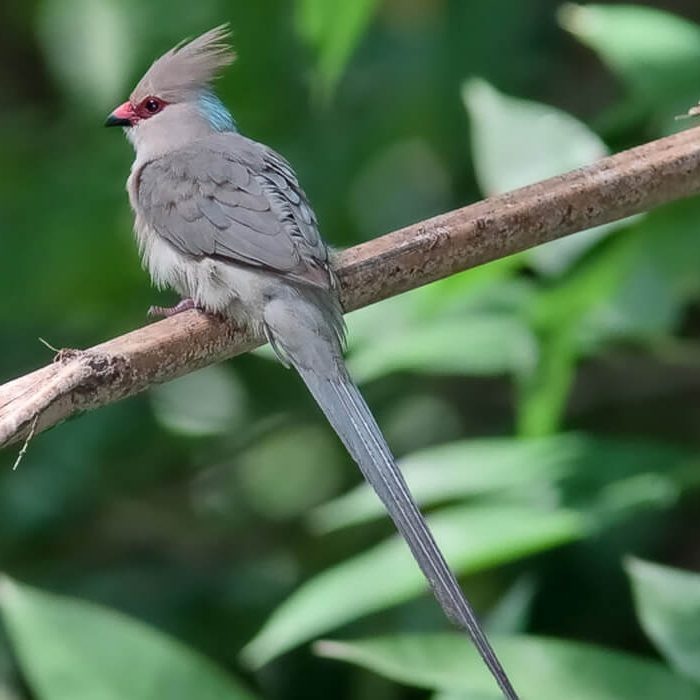
Lake Manyara is a birdwatcher’s paradise with over 400 species recorded, many of which are waterbirds and forest dwellers.
Large and Iconic Birds:
Lesser and Greater Flamingos – Sometimes seen in large flocks on the lake
Pelicans, Cormorants, Storks – Frequent visitors to the lake and marshes
Colorful Species:
Lilac-breasted Roller
Yellow-billed Stork
Malachite and Pied Kingfishers
Turacos and Hornbills – Found in forested areas
Birds of Prey:
African Fish Eagle
Augur Buzzard
Bateleur Eagle